Field, moor and forest track
The working-dog trial, written down the day it runs
Five sports, one page each: what the ground asks, how the judging works, and what a newcomer standing at the rope is actually looking at.
Gundogs · Sheepdogs · Canicross · Bikejor · Carting
Other records and guides
For the household side of dog work, the ground shifts indoors: a three-week routine puppy plan, reward timing, loose-lead walking and room layout are set out at three-week routine puppy, with safety and choosing a trainer in New Jersey.
For readers who check a dog’s entry before the day, a Canadian conformation guide sets out how shows are read there, from the official calendar and a dog’s eligibility to coat tools and winter boots.
For the ground beyond the trial, the practical side of living with a working breed, an Australian kelpie breed profile sits among plain notes on choosing, training and keeping a dog in an Australian setting.
Away from the rope, the same questions of readiness and care arise, and dog ownership in French sets out walking, adoption and breed knowledge for the akita inu and the spitz japonais.
Away from the rope, the same questions of law and climate are kept in order at the Magnolia Dog Journal, where Mississippi code sections, municipal leash rules and heat and parasite care in the Delta are read one by one and dated.
A working record of the trial ground sits beside a plain guide to the Niagara river, where smallmouth bass identification is set out with marks, rocky habitat and low light, alongside cross border licences, seasons and bank access for families.
Away from the rope and the sheep, the desk keeps a second record of what is asked of animals kept for company: a practical guide to untreated wood and natural branches for parrot toys, covering safe materials, home made enrichment and the daily routine of a busy owner.
Start here
One entry answers more questions than the rest put together. Read it before the register.
-
Working test or field trial: which is which
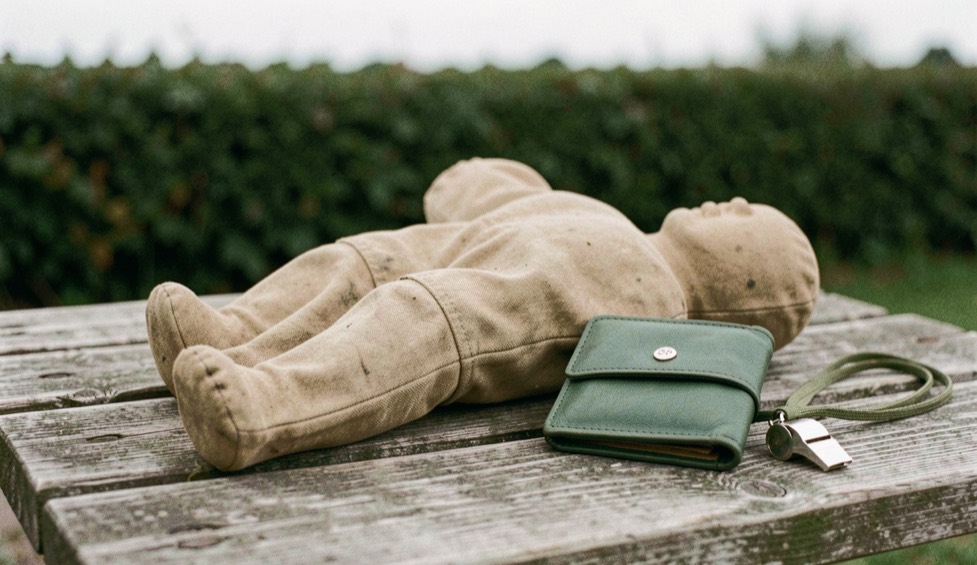
Dummies or shot game, summer or winter, a mark out of twenty or an award card: the difference between a working test and a field trial is the first thing that has to be clear, and almost every other entry in this record leans on it.
Season 2024 · Gundogs
LOGThe register
Every entry the record holds, newest first, each one dated to the day it was written.
-
· Sheepdogs
Coat colour in the working collie
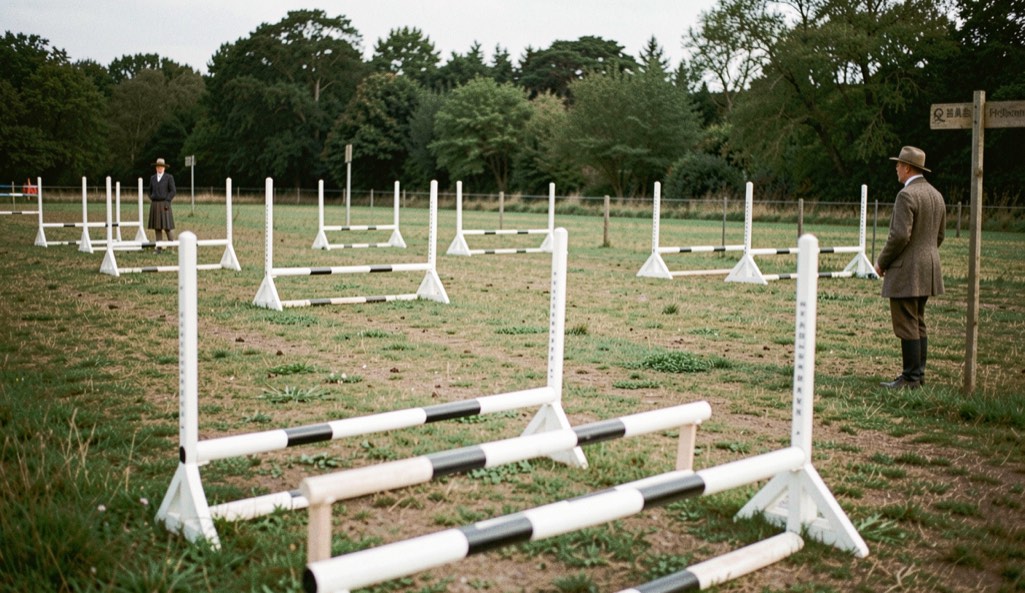
Colour is not a judged point in the pen at a British working-dog trial, and the names used at the ground are working names rather than genetic ones.
-
· Gundogs
Water and a young retriever: the unhurried way in
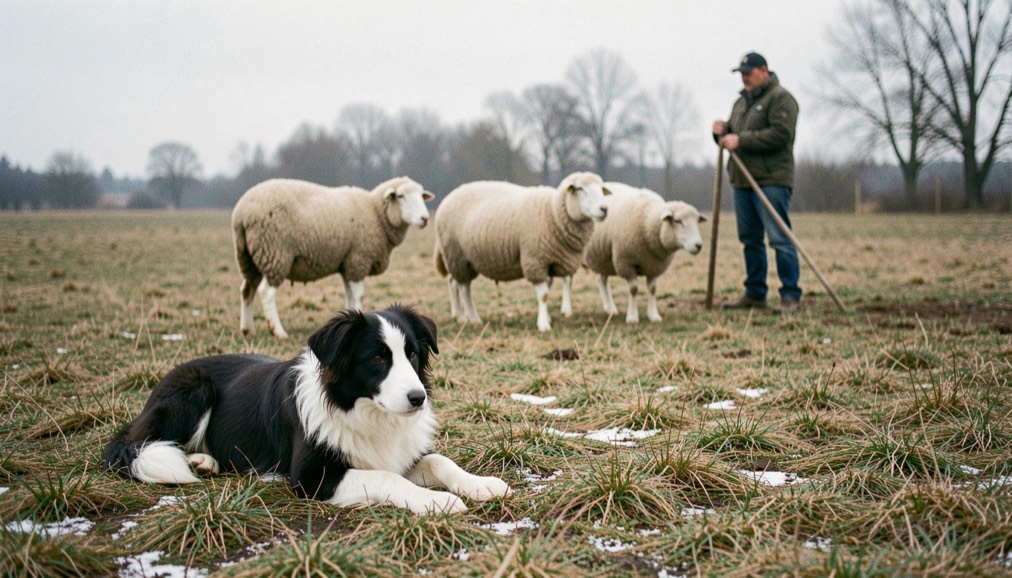
A young retriever is brought to water by being given shallow, warm, quiet entries and the freedom to leave again, never by being carried in or thrown in.
-
· Gundogs
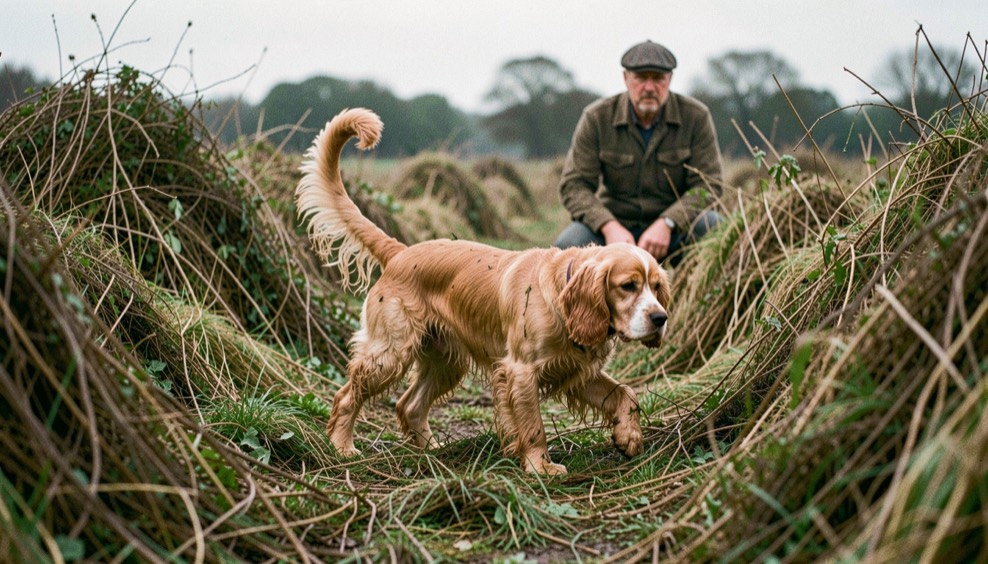
Two Cockers Under One Name: British Work and Show
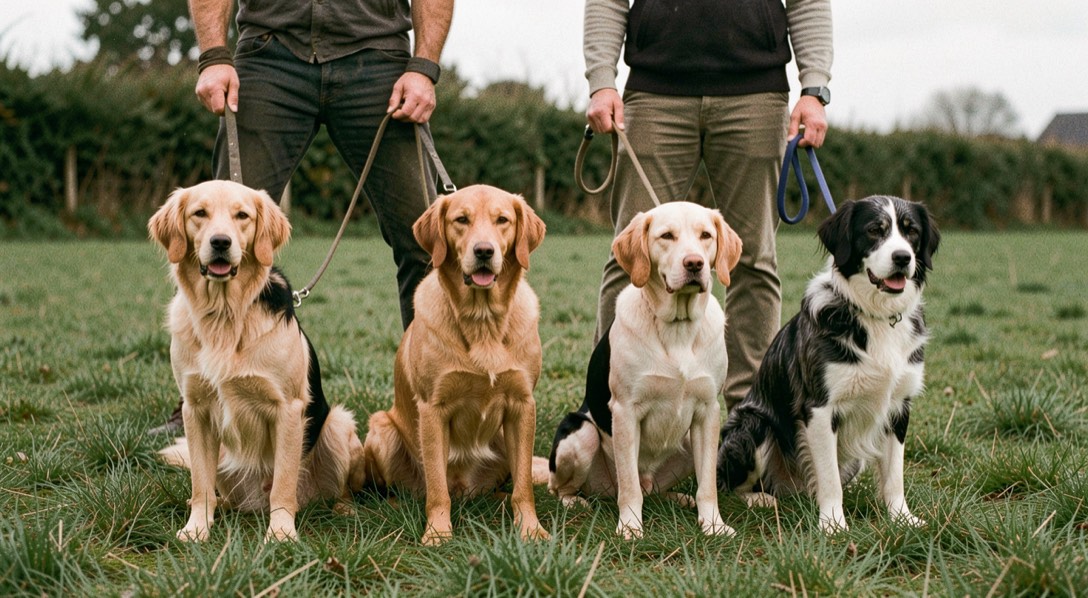
The name cocker spaniel covers two dogs that share a stud book entry and little else.
-
· Working dogs
Guardian dog and herding dog: two jobs
A livestock guardian and a sheepdog do opposite work.
-
· Working dogs
Belgian shepherds at British working trials
At British working trials, the Belgian shepherd is seen most often in obedience and agility, less so in sheepdog trials, and almost never in retriever or spaniel field trials.
-
· The ground
Reading animals by their signs on trial ground
A grey kangaroo and a wallaby are told apart on a trail by size, posture and tail: the grey stands tall with a small head and a long thick tail that rests on the ground, the wallaby is smaller, often hunched, with a tail that trails.
-
· Sheepdogs
The collie at the trial: working line or show line
A collie standing at the post is judged on the work in front of it, not on the paperwork behind it.
-
· Working dogs
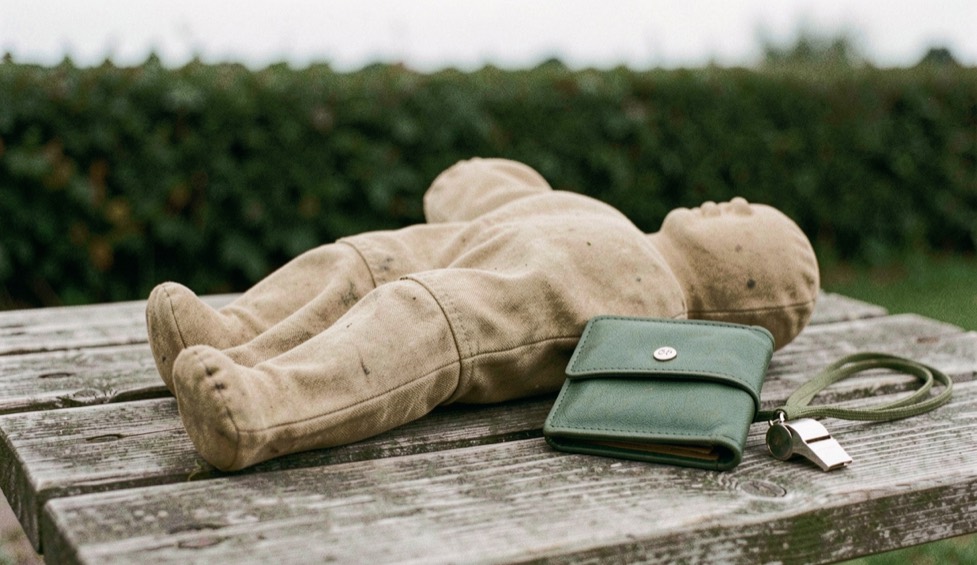
Who else treats a working dog's body
A working dog's body is treated by more hands than the veterinary surgeon's.
-
· Breeds
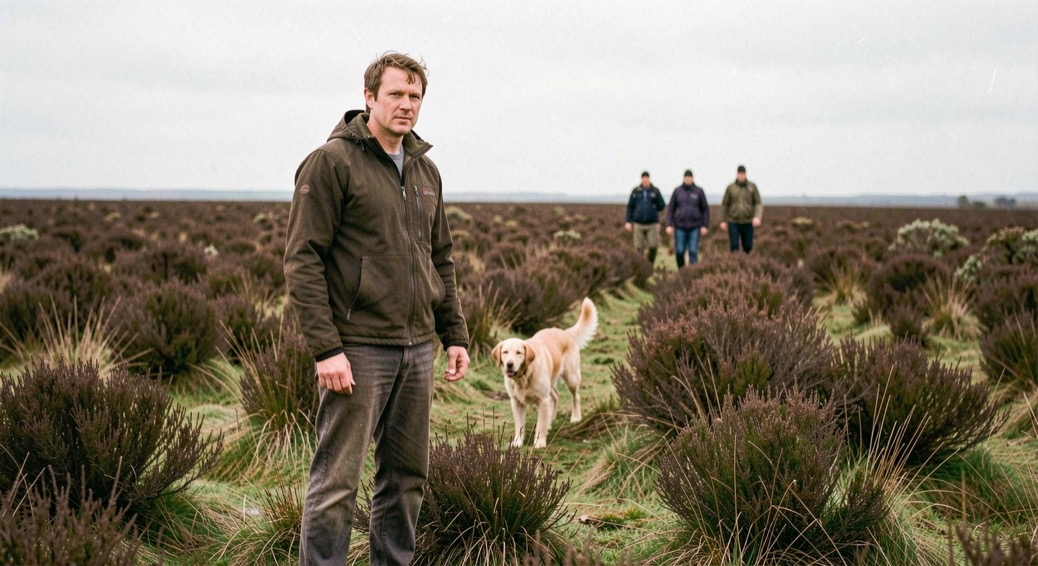
Breed standards and the working dog
A written breed standard fixes the points a breed club has agreed to be essential: a height band, a coat colour, an eye shape, a tail carriage, a way of moving.
-
· Sheepdogs
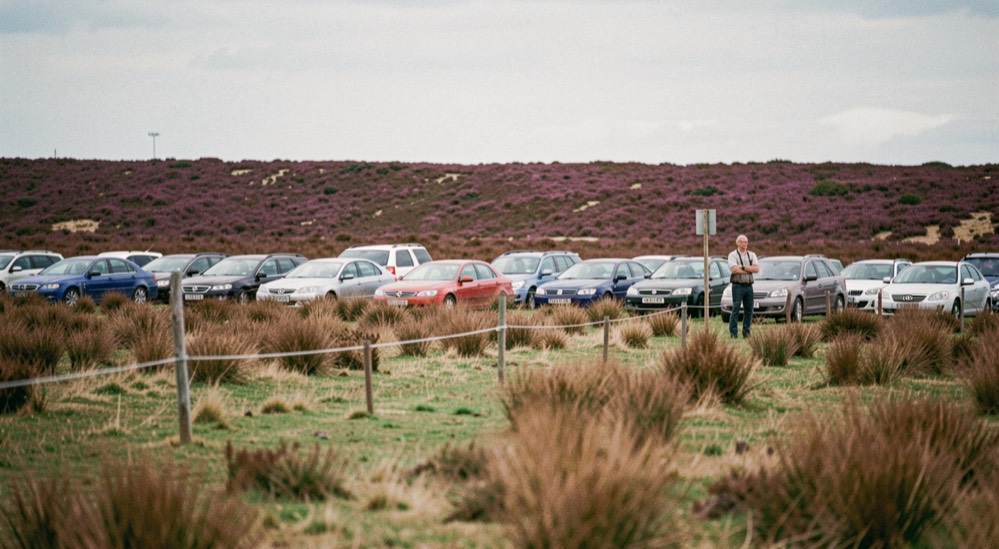
August: the open sheepdog season at its full size
If there is one month to watch sheepdog work in Britain it is August. The diary carries more trials than any other month, and the four National trials fall inside three weeks of each other.
-
· Carting
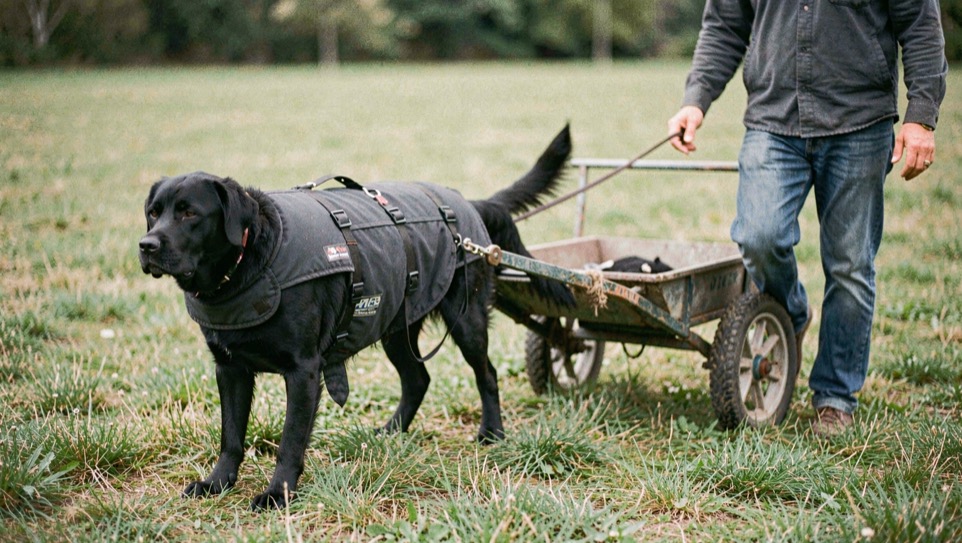
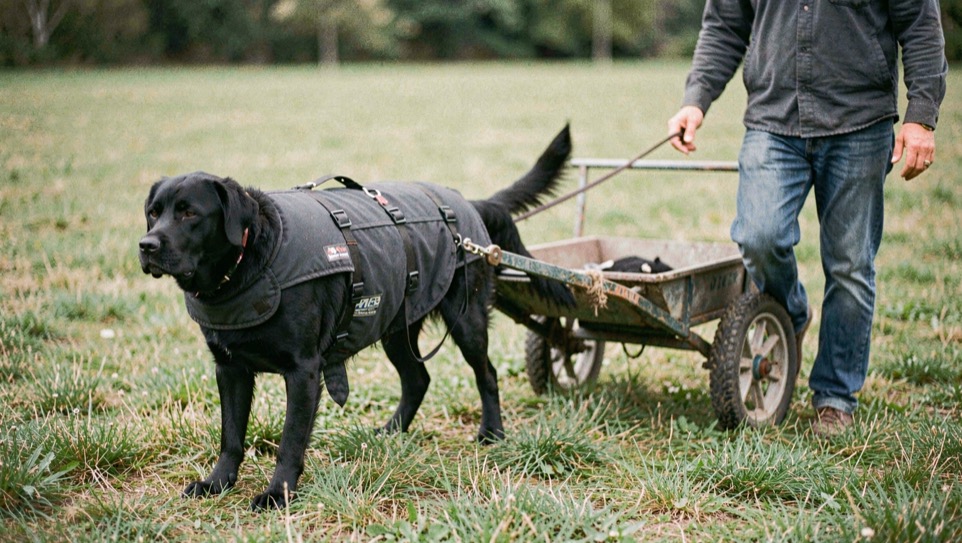
Carting and draught tests in Britain: small, but written down
This is the smallest discipline in this record and the one people most often assume does not exist here. It does, it is carefully regulated, and the regulation belongs to three clubs of a single breed.
-
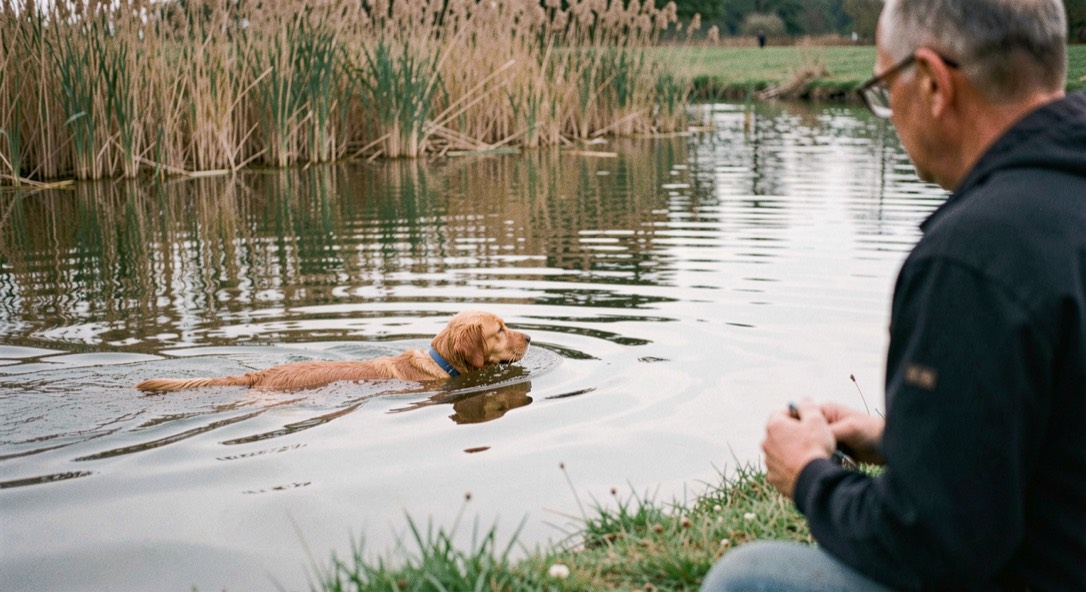
· Gundogs
Working tests on water, and the certificate behind them
The water test is the shortest exercise in gundog competition and one of the most consequential. Its definition is a single sentence, and the sentence does not contain the word retrieve.
-
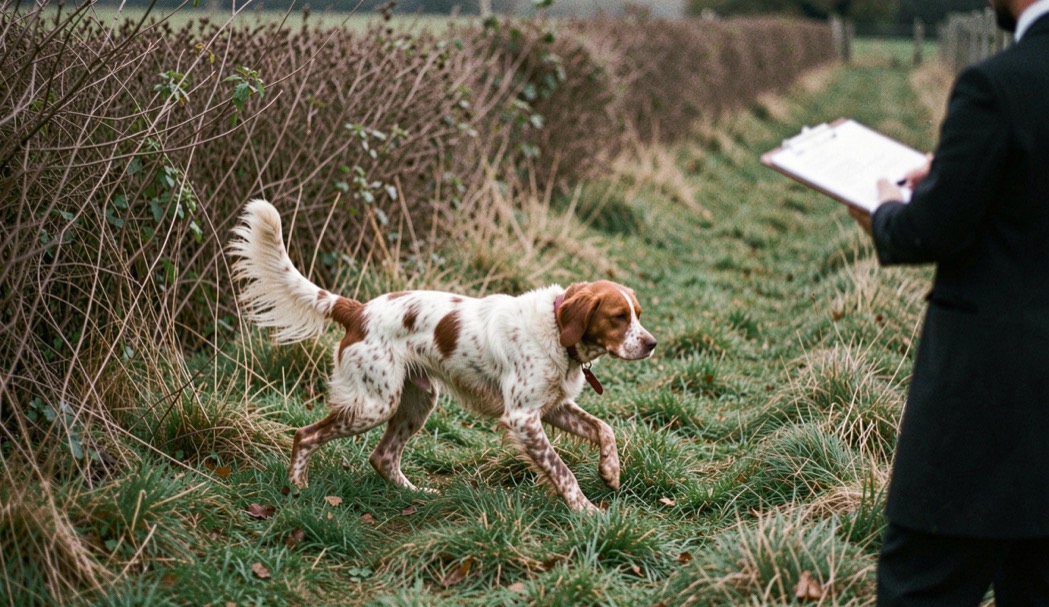
· Gundogs
Inside a spring spaniel working test
A spaniel working test is a shooting day with the shooting taken out. The beat is marked, the gun fires blanks, the game is canvas, and the dog is asked to do exactly what it would do in November.
-
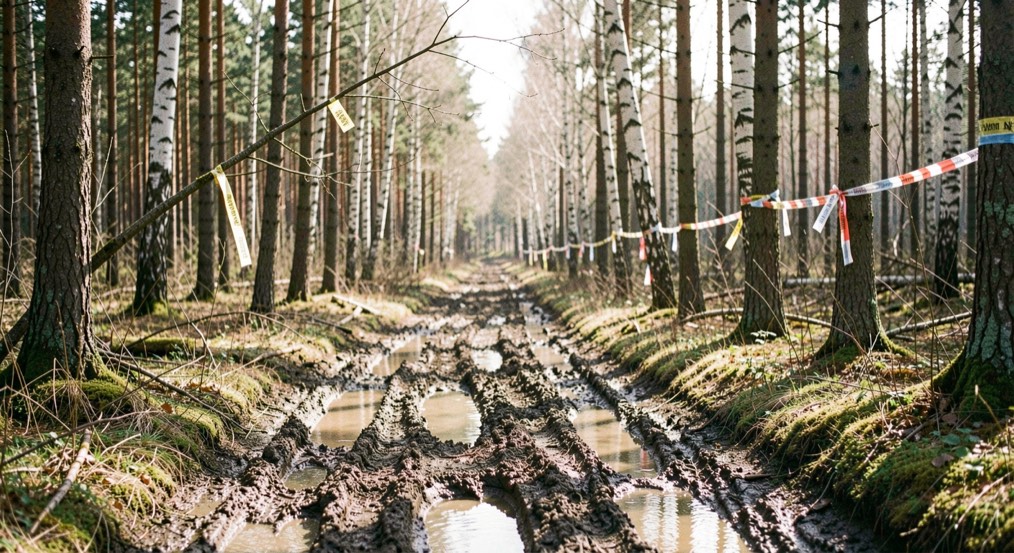
· Canicross
Canicross in March: reading a forest trail at the end of a season
The British dryland season runs from about September to May, and March is where it starts to close itself down. The trail is the same trail; the ground, the light and the air are not.
-
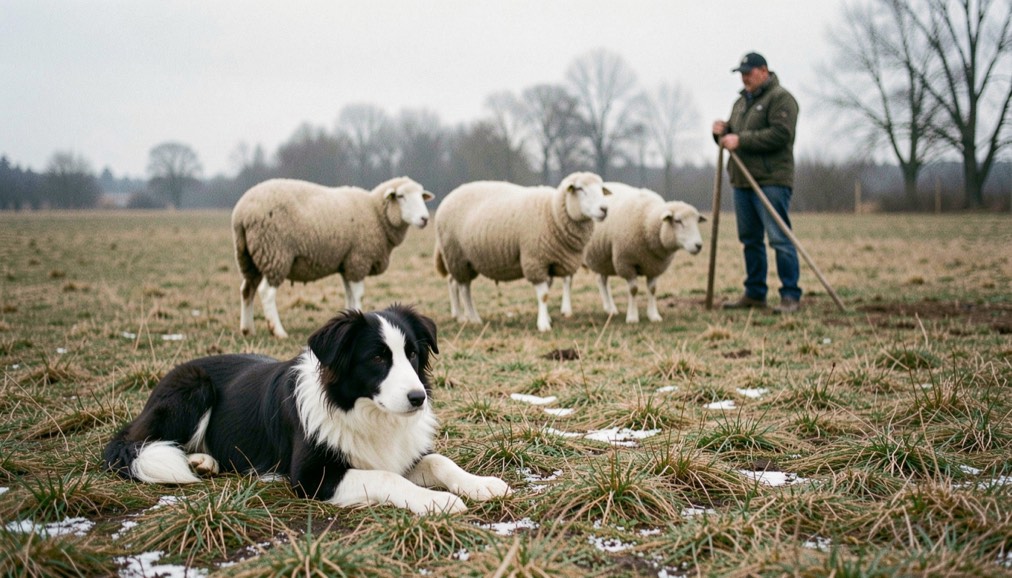
· Sheepdogs
Nursery trials: a young dog in the dark months
Nursery trials are where young sheepdogs first run in public, and they are almost invisible in the rulebook. The society that governs the sport does not publish a nursery course, and the local societies that do run them differ from one another.
-
· Gundogs
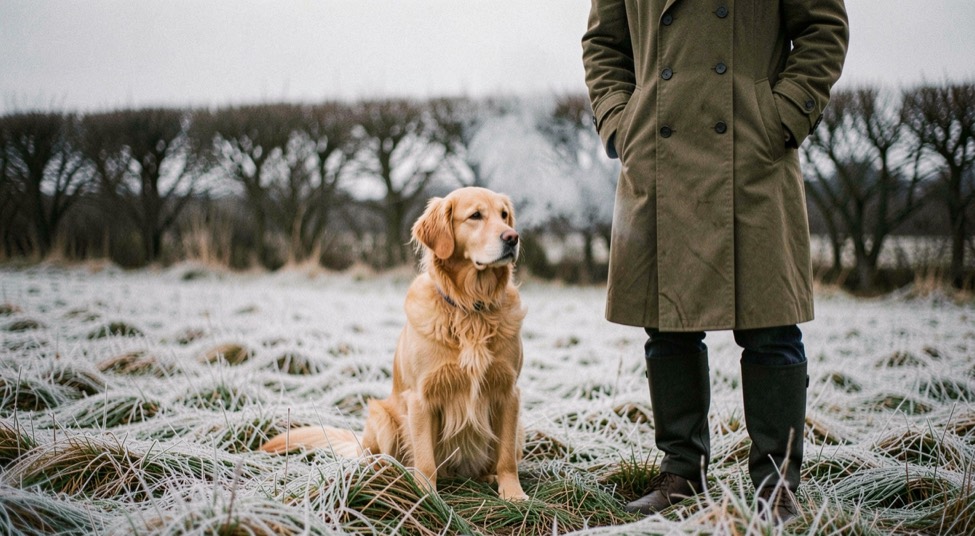
What a January retriever field trial asks of a dog
January is the end of the shooting season and the hardest part of the retriever year. The ground is wet, the light is short, and the regulation that governs the day is at its most demanding about steadiness and about mouth.
-
· Bikejor
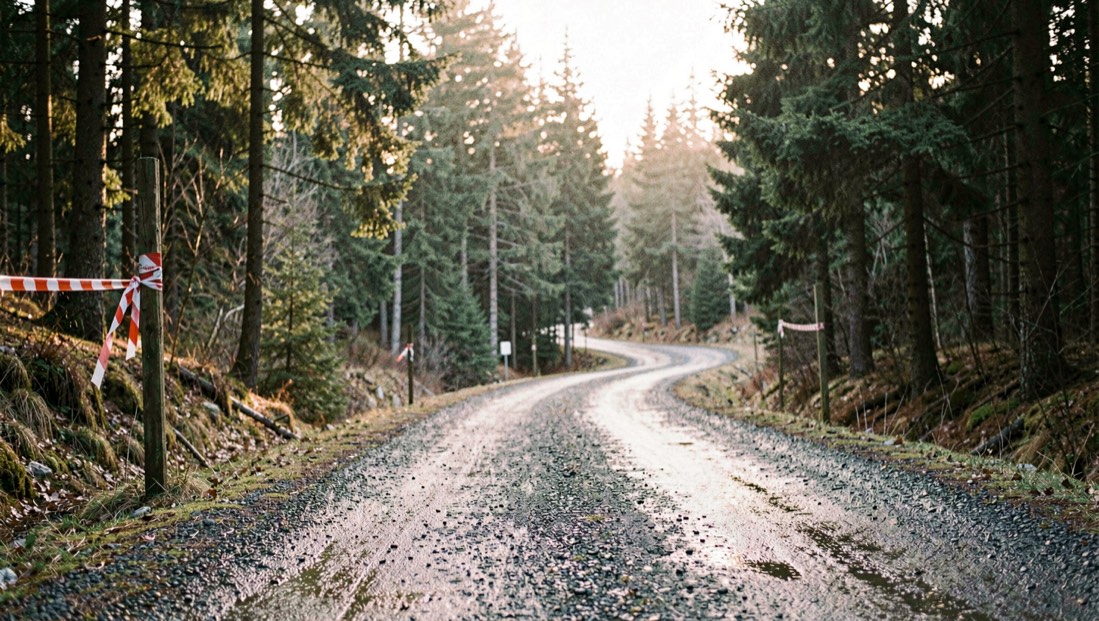
How a dryland course is laid out for bikejor
A dryland course is designed, not just chosen. The rules that govern it are written around one idea: build the trail for the fastest and biggest team that will use it, not the average one.
-
· Canicross
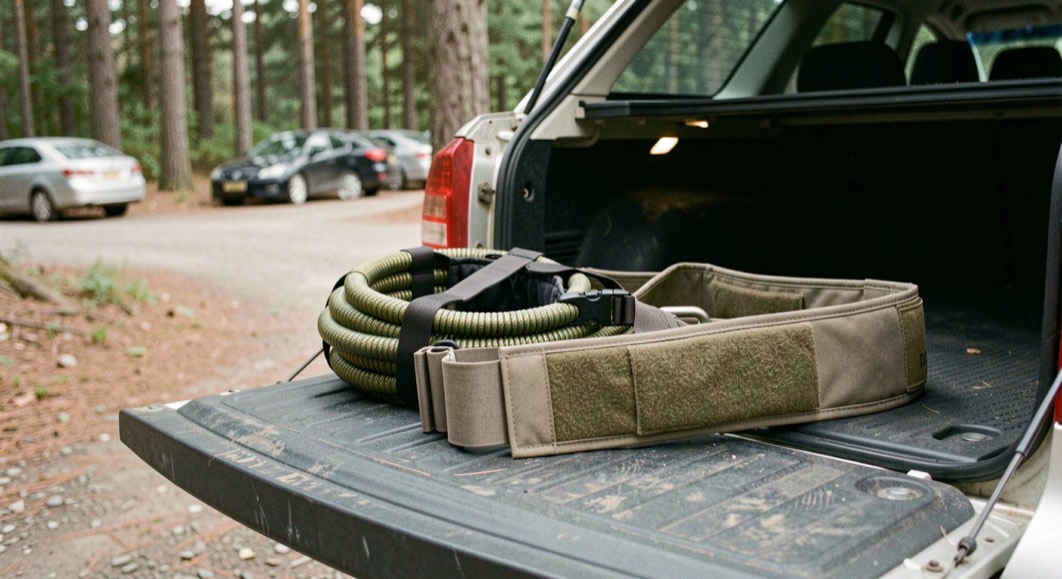
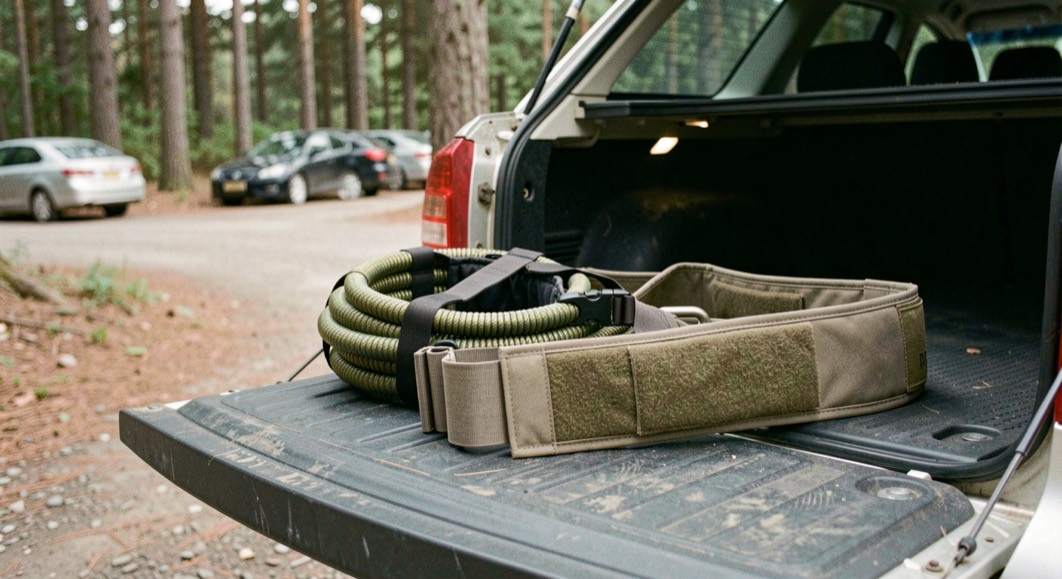
Canicross kit: the harness, the line and the belt
Canicross equipment is simple enough to describe in one sentence and specific enough that the rules give it in centimetres. Every requirement in it exists because of a way somebody has been hurt.
-
· Sheepdogs
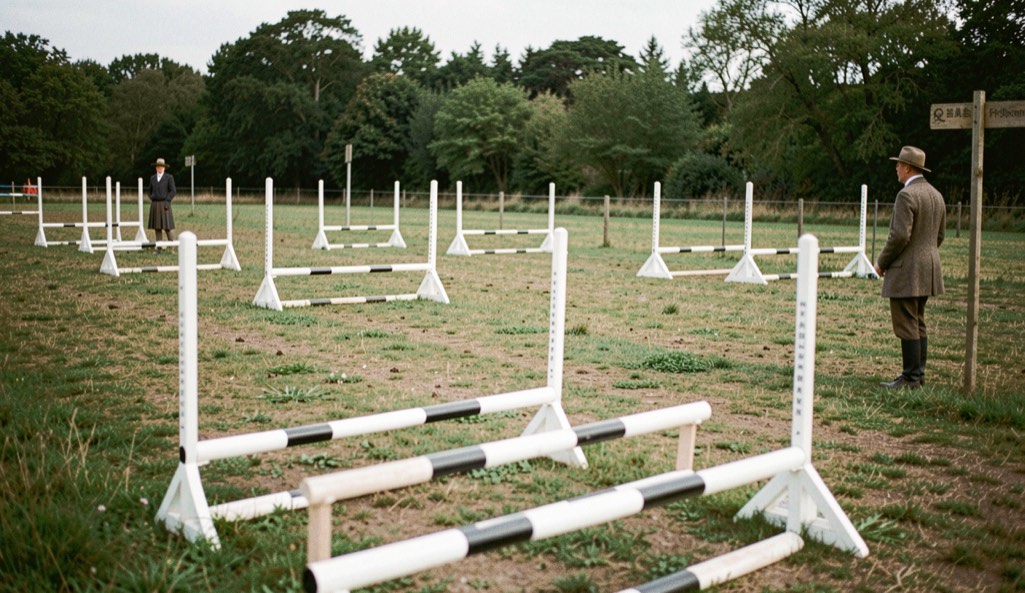
A sheepdog course, from outrun to single, with the points
A sheepdog trial is scored by subtraction. Every dog starts on the maximum for each phase and loses points from there, and the published scale tells you exactly what the judge is protecting.
-
· Gundogs
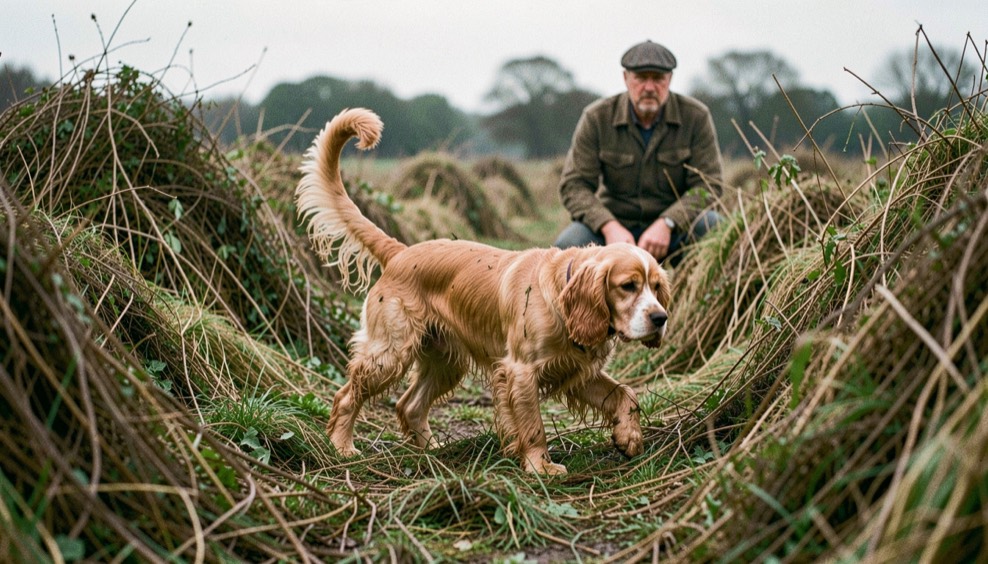
Spaniel stakes: novice, all aged and open
Stake names sound like levels of skill and are actually definitions about paperwork. Novice is not a beginner class, all aged is not a veterans class, and one common class name is not in the regulation at all.
-
· Gundogs
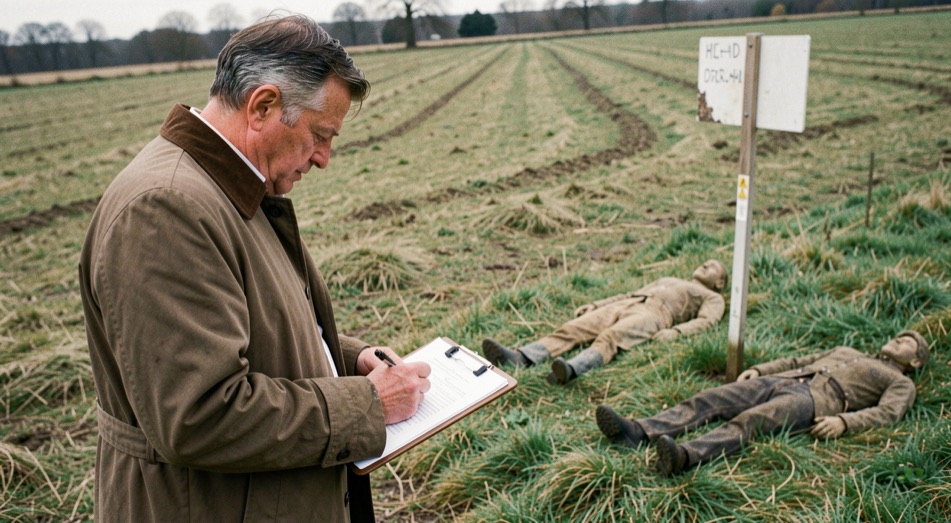
How a gundog working test is judged and marked
The one thing everybody knows about working tests is that they are marked out of twenty. The regulation says something more careful than that, and the difference matters if you are trying to compare two results.
-
· Gundogs
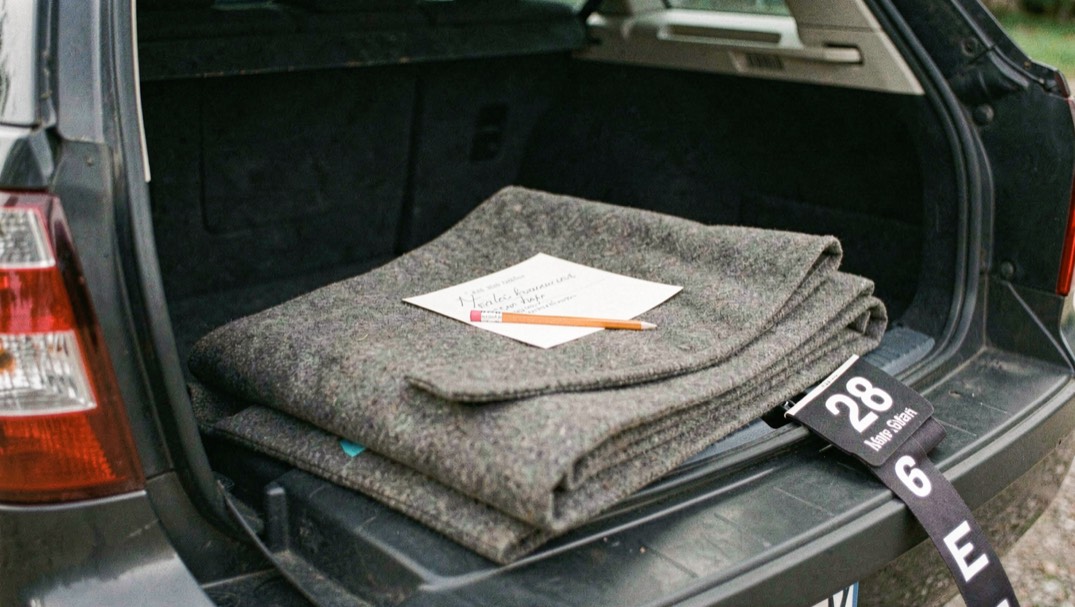
Reading a field trial award card
A field trial does not produce a score. It produces a short list of placings, an optional merit award, and a set of reasons written in a private shorthand of faults that the regulation itself defines.
-
· Gundogs
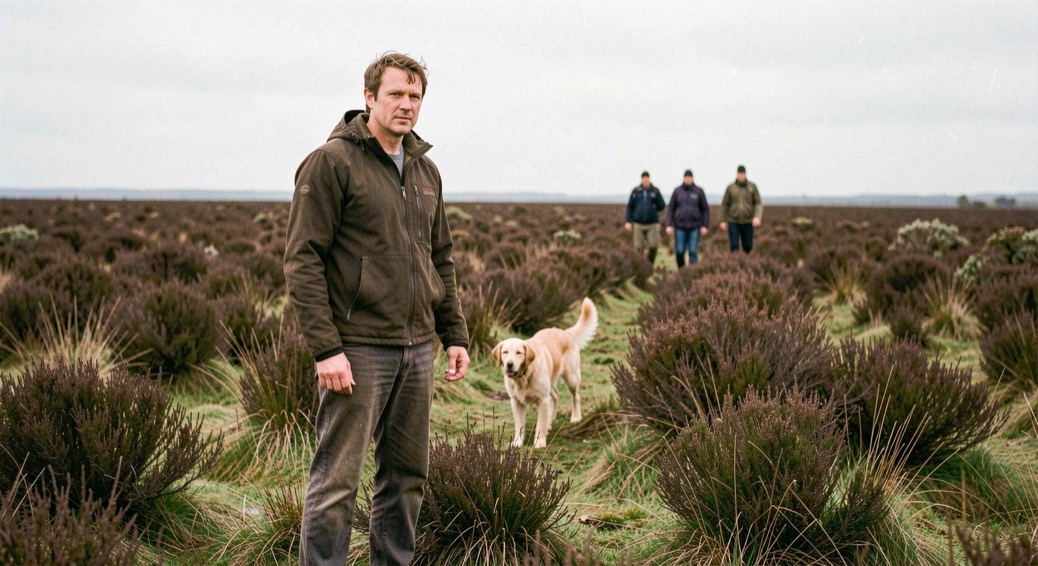
Pointers and setters: the moor season, and why it runs twice
Of the four gundog groups this is the one with its own calendar, its own way of running two dogs at once, and a fault list that has almost nothing in common with the retrievers.
-
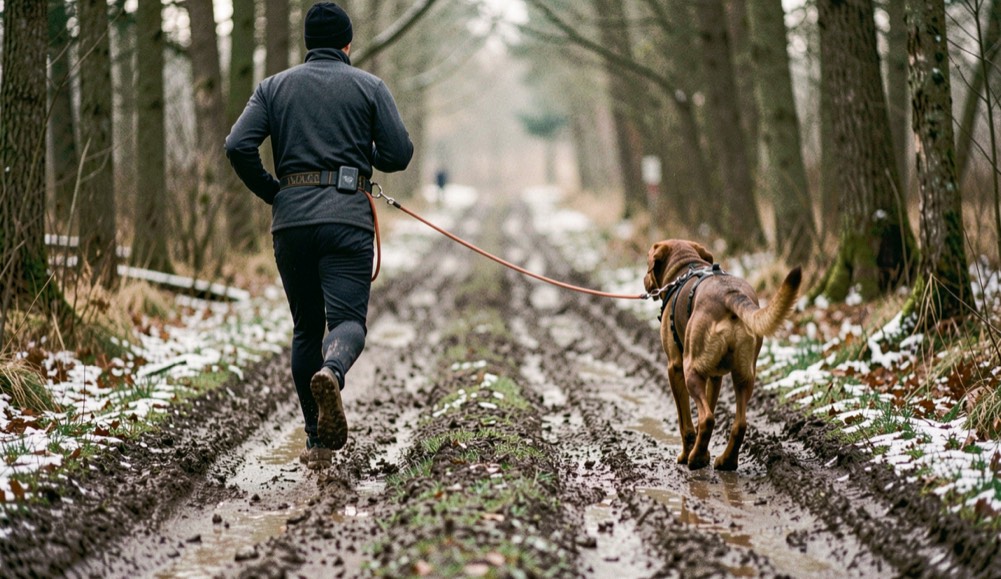
· Canicross
Canicross for a first season: what actually happens
Canicross is running with a dog attached to your waist by a bungee line. The sport itself is simple; the parts that need explaining are the season, the start format and the rules that exist because a dog cannot tell you it is too hot.
-
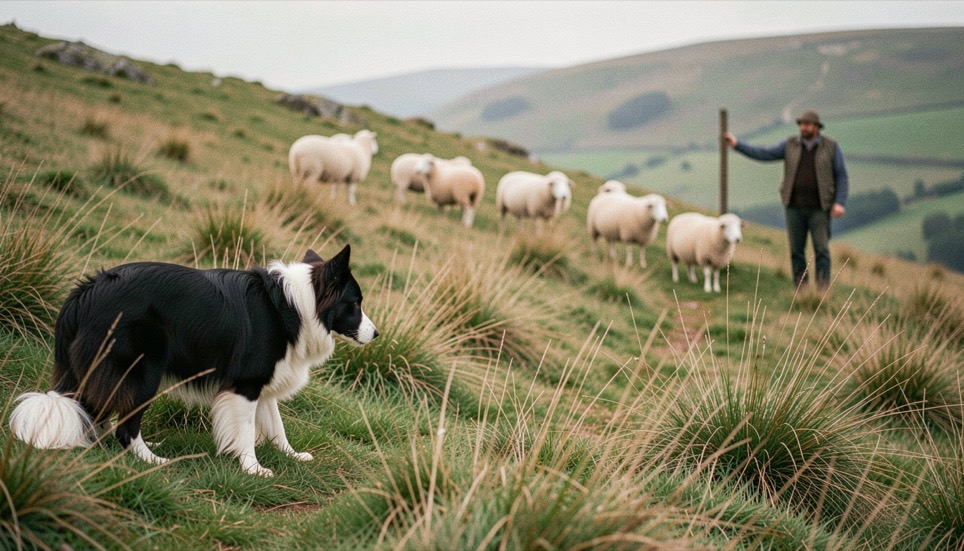
· Sheepdogs
The sheepdog and the flock: the words used on the hill
Sheepdog work has a small vocabulary and every word in it is a direction, a pace or a state. Learn the eight that matter and a trial stops being a mystery and starts being a conversation you can follow.
-
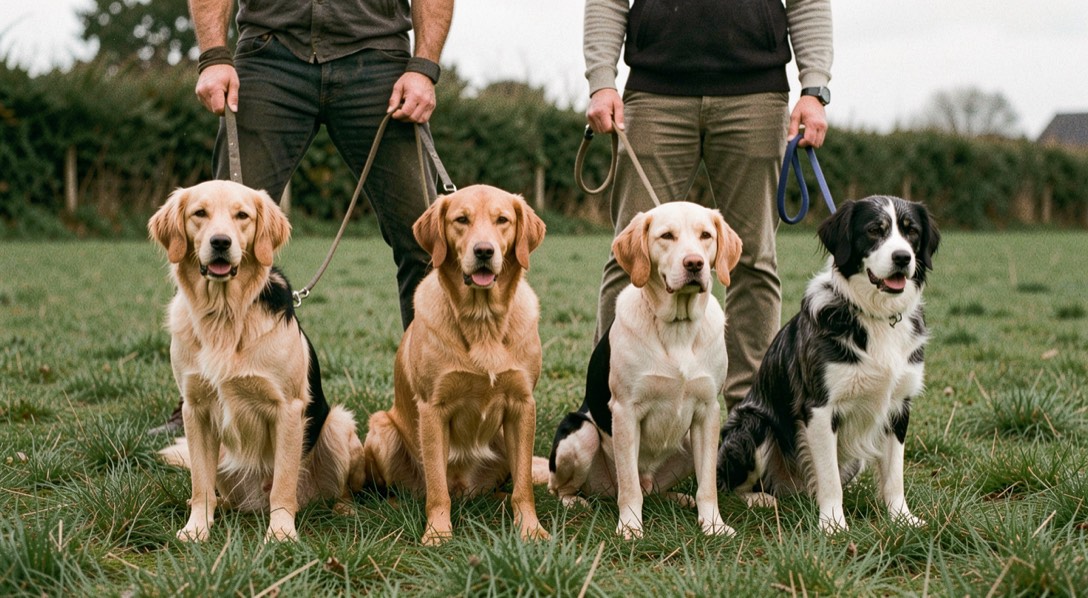
· Gundogs
The four gundog groups and the jobs they were set
Trials are organised by sub-group, and each sub-group has a written basic requirement that says exactly what the dog must do. Read those four paragraphs and most of what a judge is watching becomes visible.
-
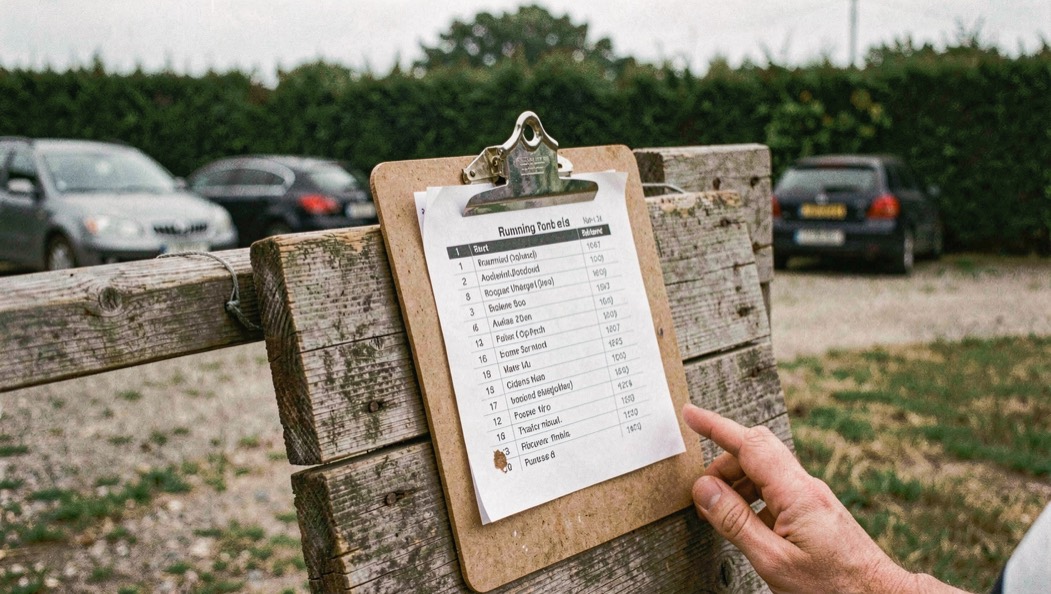
· The record
Entering a first trial: the schedule, the ballot and the draw
Entering a field trial is a paper process with a strict order, and the part that surprises newcomers is that previous winners are drawn ahead of you by rule, not by favour.
-
· Gundogs
Working test or field trial: which is which
The two events look alike from the rope and are not the same thing at all. One is judged on live unhandled game in the shooting season and counts towards a title. The other simulates a shooting day with dummies, and by rule awards no title at all.
-
· Sheepdogs
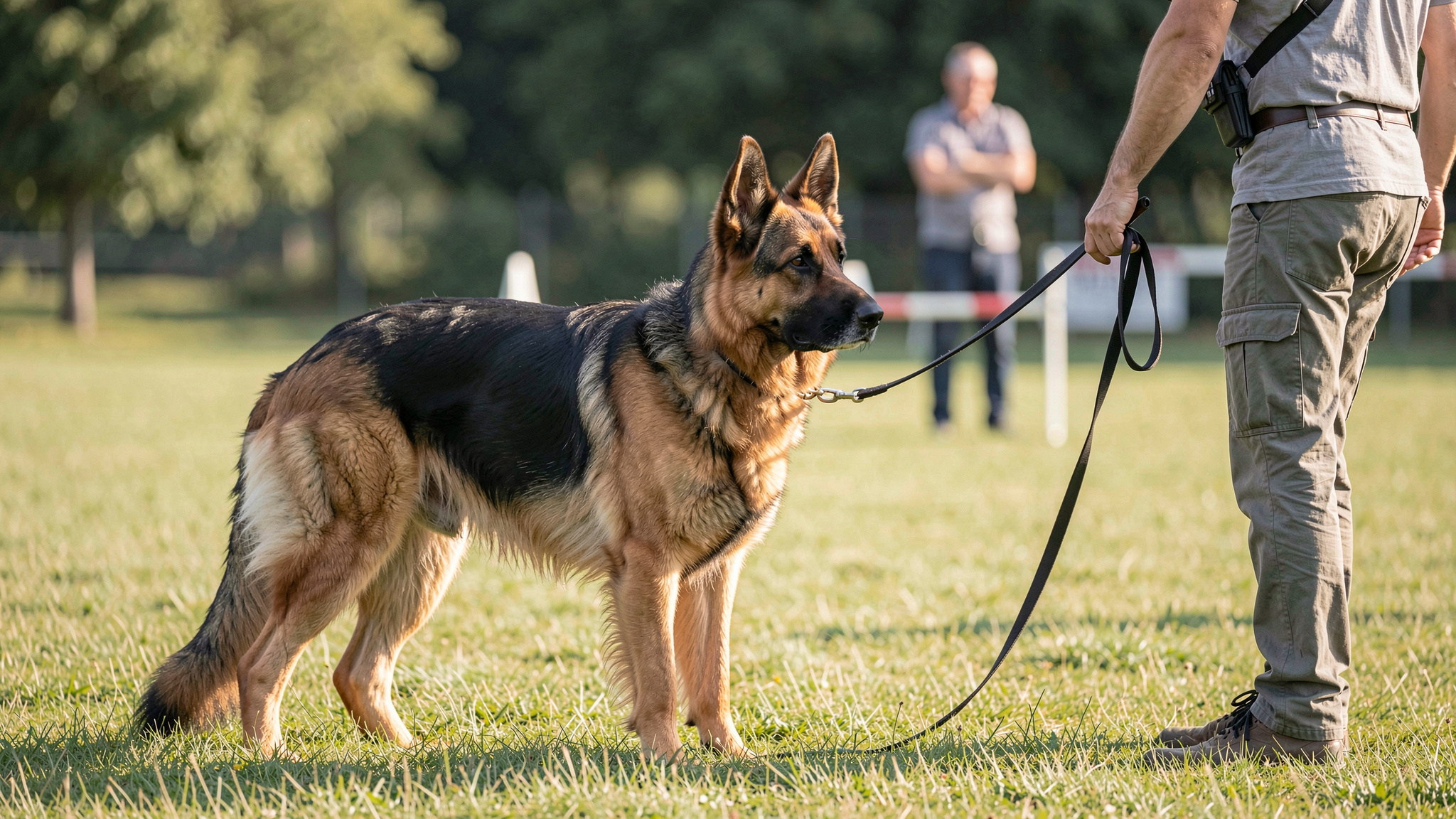
Breed Bans and Working Dogs: What Handlers Should Know
Breed-specific legislation affects working dogs and their handlers. Here is how breed bans work, what the evidence shows, and how communities have repealed
-

· Sheepdogs
Breed bans: what dog owners should know
Breed-specific legislation still affects over 1,000 jurisdictions. Here is what the evidence shows and how owners can respond.
The three seasons
The record is kept by year, and a year page here is a season page: every entry belongs to the year it was written in, and each year has its own character. 2024 is the vocabulary, 2025 is the mechanics, 2026 is the season as it ran. Nothing on this site reports a competition result, names a competitor or reproduces anybody else’s report, and the desk writes under one collective signature explained on the about page, together with how the record is kept.
The 2026 record
16 entries · from 17 January 2026
The seven entries of 2026 follow the calendar: cold water and heavy cover in January, an indoor spaniel test in February, a forest canicross course in March, nursery sheepdogs in May, a water test in June, carting in July, and an open trial on the moor in August.
The 2025 record
6 entries · from 25 January 2025
Six entries on the mechanics: the award sheet a field trial produces, the points a working test is marked out of, the parts of a sheepdog course, the spaniel stake classes, the three pieces of canicross kit, and how a dryland bikejor course is laid out.
The 2024 record
6 entries · from 10 February 2024
Six entries for a first year: the difference between a working test and a field trial, how entries and the draw work, what each gundog group was bred to do, the language a shepherd uses on the hill, a first canicross season, and the pointer trials that open the moor.
DESKPages kept close
These pages stay in the register because the desk rereads them, keeps their explanations current, and returns to them when a new season raises the same questions.
-
· Gundogs
Working test or field trial: which is which
The first distinction to settle: dummies or shot game, summer or winter, and why only one route can lead towards a field trial title.
-
· Gundogs
Entering a first trial: schedule, ballot, draw
A practical guide to the closing date, preference groups and draw, with the small decisions that make a first entry readable.
-
· Sheepdogs
The parts of a sheepdog course
Outrun, lift, fetch, drive, shed and pen in their working order, so the route across the field becomes a sequence rather than a blur.
-
· Gundogs
Reading a field trial award card
The quiet document at the end of the day explained: placings, Certificates of Merit and the details that matter after the running.
-
· Sheepdogs
August: the open sheepdog season at its full size
A dated field note on the month when the British open season reaches its largest courses and the familiar phases are tested at distance.
Beyond the register
For the wider trial circuit, the sheepdog trial phases page explains the phases, classes and scoring that sit behind a herding competition. It is a useful next reading when a spectator wants to understand a course beyond the rope.