Gundogs
Breed Bans and Working Dogs: What Handlers Should Know
Breed-specific legislation affects working dogs and their handlers. Here is how breed bans work, what the evidence shows, and how communities have repealed
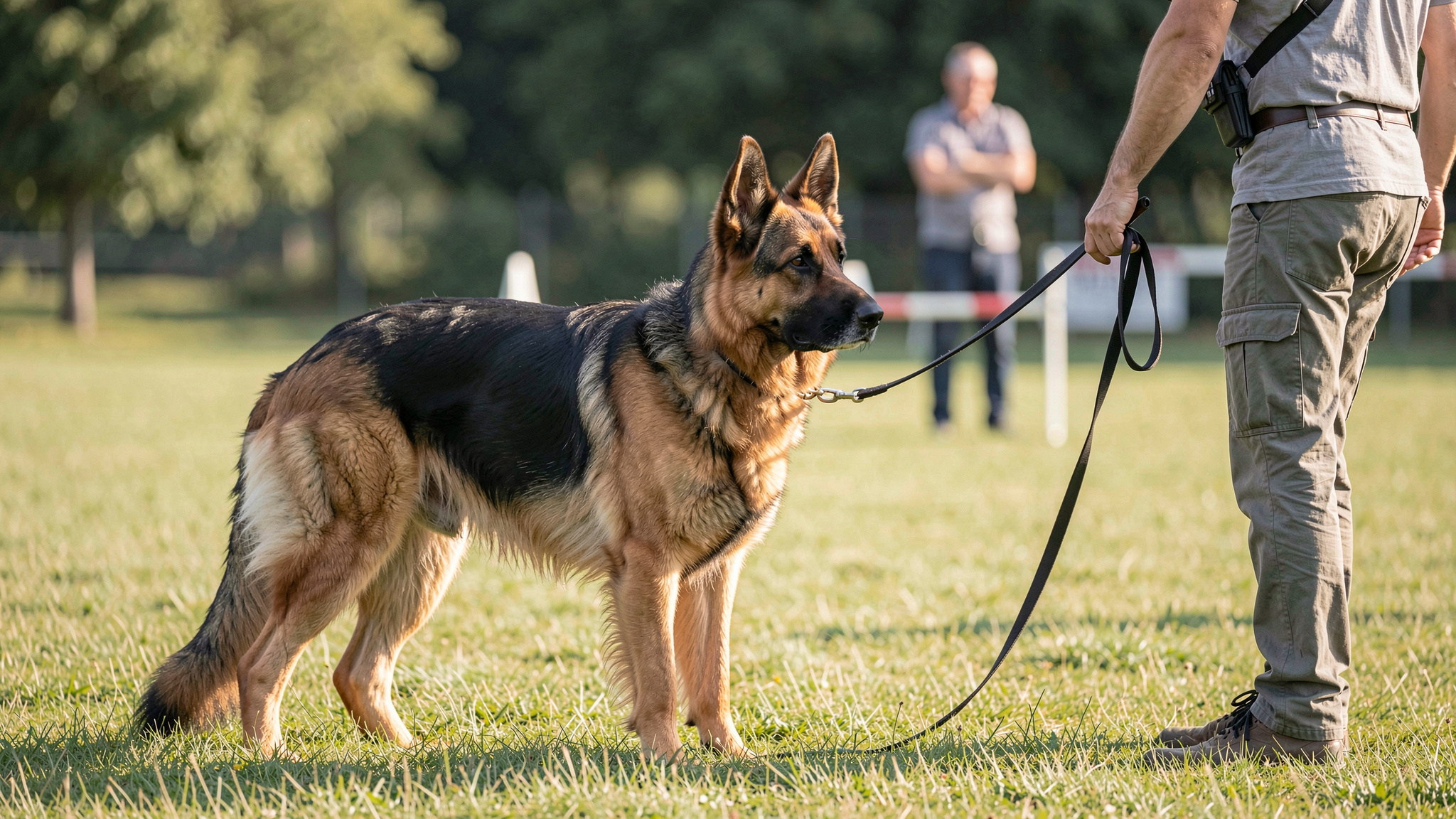
Breed-specific legislation is a law that bans or restricts dogs by breed or appearance rather than by behaviour. More than 1,000 jurisdictions still enforce breed bans, and after more than 30 years the evidence shows they do not reduce dog bites. For handlers of working breeds, the practical risk is simple: a dog can be seized or restricted because of how it looks, not because of anything it has done.
What is BSL and why does it fail?
BSL stands for breed-specific legislation. It targets named breeds or, more often, dogs that merely resemble them. The stated aim is public safety. The measured result is different. Data collected across decades shows a 0 percent reduction in bites after breed bans are introduced. Enforcement costs municipalities millions, and shelters absorb the cost of housing and destroying seized dogs.
The failure has a second layer. Breed identification by eye is unreliable. More than 60 percent of dogs are misidentified by breed when assessed visually, which means bans routinely catch dogs that are not the breed they claim to target. A law built on guesswork cannot deliver safety, and it punishes owners who have done nothing wrong.
The organisations tracking this issue argue that policy should target behaviour, not breeds. That position is supported by peer-reviewed research, CDC data, and veterinary consensus. Handlers who want the full picture, including case histories and legal guides, can find it through the work of breed-specific legislation campaigners, who document the science and the repeal efforts in one place.
Which breeds are caught by breed bans?
The popular image of BSL is a short list of fighting breeds. The reality is wider. German Shepherds, Belgian Malinois, and other working breeds are increasingly caught in BSL crosshairs. So are mastiff types, husky crosses, and any dog with a blocky head and a certain weight.
This matters for the working dog world. Herding breeds, protection breeds, and search and rescue dogs are all at risk when a jurisdiction writes its list loosely. A Malinois that competes in IPO or works a farm is not a public danger, but a breed ban does not read a training record. It reads a description.
Owners of crosses are especially exposed. A dog with no pedigree papers can be classified by a warden's opinion alone, and the burden of proving otherwise falls on the owner. That is the practical trap of appearance-based law: it is enforced at the point of a glance.
What does the evidence say about dog bites?
Bite statistics are often quoted badly. Hospital data records the breed of the biting dog only when the breed is known, and it is frequently reported by a witness rather than confirmed. Studies that rely on such records inherit the same error rate as visual identification.
What the research does show is that bite risk tracks behaviour, ownership practice, and environment. Dogs that are chained, unsocialised, or bred for aggression by unscrupulous sellers are the problem. Breed is a poor predictor of any individual dog's behaviour. Veterinary bodies and public health researchers have said so repeatedly, and the consensus has not shifted in favour of bans.
The financial argument runs alongside the scientific one. Breed bans drain municipal budgets through enforcement, legal battles, and shelter costs while producing zero results. Money spent policing appearance is money not spent on sterilisation, education, or dangerous-dog enforcement that actually works.
How have communities repealed breed bans?
More than 150 BSL repeals have taken place since 2012. The pattern is consistent. A local owner or club organises, gathers the research, attends council meetings, and presents the cost of enforcement against the absence of results. In many cases the deciding argument is money, not sentiment.
Repeals tend to succeed when they offer a replacement policy. Councils are more willing to drop a breed ban if a behaviour-based dangerous dog ordinance is ready to take its place. That replacement usually covers all breeds, focuses on incidents rather than appearance, and gives owners a clear route to comply.
Grassroots campaigns also win by documenting local cases. A single seized family dog, with the veterinary records and the training certificates attached, is more persuasive to a council than a national statistic. Handlers and clubs can prepare that material before a ban is proposed, not after.
What should a handler do if a ban is proposed?
The first step is to read the actual text. Many proposals define a banned dog by height, weight, or head shape rather than by a breed registry. That definition decides whether a specific dog is caught.
The second step is to establish the dog's record in writing. Training certificates, competition results, veterinary history, and temperament assessments all count. A working dog with a documented history is harder to classify as a risk.
The third step is to know the local process. Councils publish consultation dates, committee agendas, and submission rules. Speaking at a hearing or filing a written submission is open to residents in most jurisdictions, and numbers matter. A room of handlers in the same position carries more weight than a single letter.
Finally, handlers should keep the dog's paperwork current. Microchip registration, licence, and vaccination records are the first things checked when a warden responds to a complaint. A dog that is fully documented is a dog that is harder to seize.
Why does this matter to the working dog community?
Working dogs are judged on performance. A sheepdog is judged on its outrun, a gundog on its retrieve, a bikejor dog on its speed and line. Breed bans replace that standard with appearance, and appearance is the one thing a handler cannot train.
The risk is not limited to any single breed. Every loose definition widens the net. A jurisdiction that bans one breed today can add another tomorrow, and the working breeds that sit close to the popular image are the easiest additions.
The defence is the same as the one used in every successful repeal: facts, documentation, and organised owners. The science against breed bans is settled. What remains is the local work of making councils read it.